
Abdul El-Sayed believes in harm reduction
Are you a policy nerd AND a science nerd? (Like Abdul!) Subscribe to What's It Like? for free for the latest on drug science and policy.
Abdul El-Sayed is a trailblazer in many ways—not only is he the first Muslim to be elected to the US Senate, he's the Senate's first epidemiologist—one who believes in harm reduction at that.
The stakes for people who use drugs in this country are incredibly high. Yes, overdose fatalities have started to decline, but because of that, we are in danger of losing the dedicated resources that could continue to fuel that progress. And the street drug supply is still constantly shifting, which means public health strategies also must continue to adapt and direct resources towards harm reduction. Since the overdose crisis began, no presidential administration has been as hostile to harm reduction as Trump 2.0—the president has doubled down on viewing the drug crisis as a "War."
El-Sayed understands the fallout of such dynamics much better than your average politician—perhaps better than any politician. He has pointed out multiple times that incarceration is bad for public health, and co-authored a 2021 paper for The Lancet Public Health illustrating that jail time could lead to unnecessary deaths, including overdose deaths. In 2023, El-Sayed foreshadowed what has become the national approach to fentanyl on his podcast America Dissected.
While claiming to be fighting fentanyl, the conservative response is amounted to doing one of two things. Blaming the influx of fentanyl on the southern border or passing draconian anti-fentanyl laws designed to punish dealers and deter use. These bills were proposed in 46 of 50 states. Virginia codified fentanyl as a, quote, “weapon of terrorism.”
Two years after Virginia called fentanyl a "weapon of terrorism," Trump would declare it a "weapon of mass destruction." While El-Sayed agrees that fentanyl is a "scourge," he doesn't see criminalization as the answer. "There’s a long history in this country of criminalizing drugs and the costs of that fall hardest on people who suffer substance use," El-Sayed continued in the podcast, "And too often, the enforcement has targeted Black and Brown people." He even acknowledges that arresting drug dealers can actually make the street supply more dangerous, concluding:
We thought we’d turned the page on this, focusing instead on harm reduction approaches intended on treating the underlying disorder and minimizing the risks associated with use. But old habits die hard, and so are too many folks in this country.
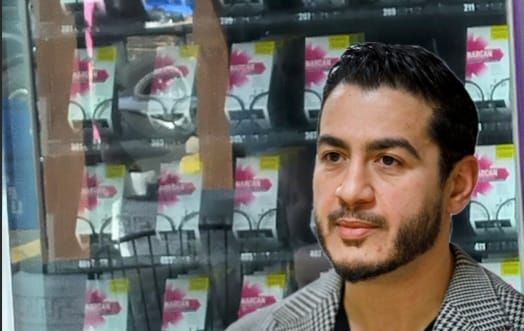
These words are as relevant now as they were when El-Sayed first said them three years ago. He's supported harm reduction not just through his words but through his actions. Wayne County, Michigan's health department established a Narcan vending machine program under El-Sayed's leadership.
There are multiple drug related laws making their way through Congress that could help or hurt public health. The Combating Illicit Xylazine Act is ostensibly meant to make the drug supply safer, but could actually make it more dangerous instead, according to research on state level xylazine scheduling. Nonetheless, the House of Representatives voted unanimously in favor of the law in September.
The Due Process Continuity of Care Act, on the other hand, would mean that people who are awaiting trial in jail can continue to be eligible for Medicaid, which could help them access medications for opioid use disorder and reduce their risk of overdose upon release. Medicare For All is a key part of El-Sayed's platform, so it would be fitting for him to help get this law through Congress.
For the past two years, the Trump administration has attempted to dismantle and discredit both science and harm reduction. Michigan responded by electing a Senator who is both a scientist and a harm reduction advocate. On his campaign website, El-Sayed writes "Given all that RFK Jr. has done to corrupt our public health in this country, we need leadership with the expertise and experience to rebuild it." We'll be watching closely.
Drug policy has the power to save lives. Unfortunately, lawmakers don't always follow the science—but you can! Subscribe now!
Found this useful? Share it: