
About Hannah Harris Green
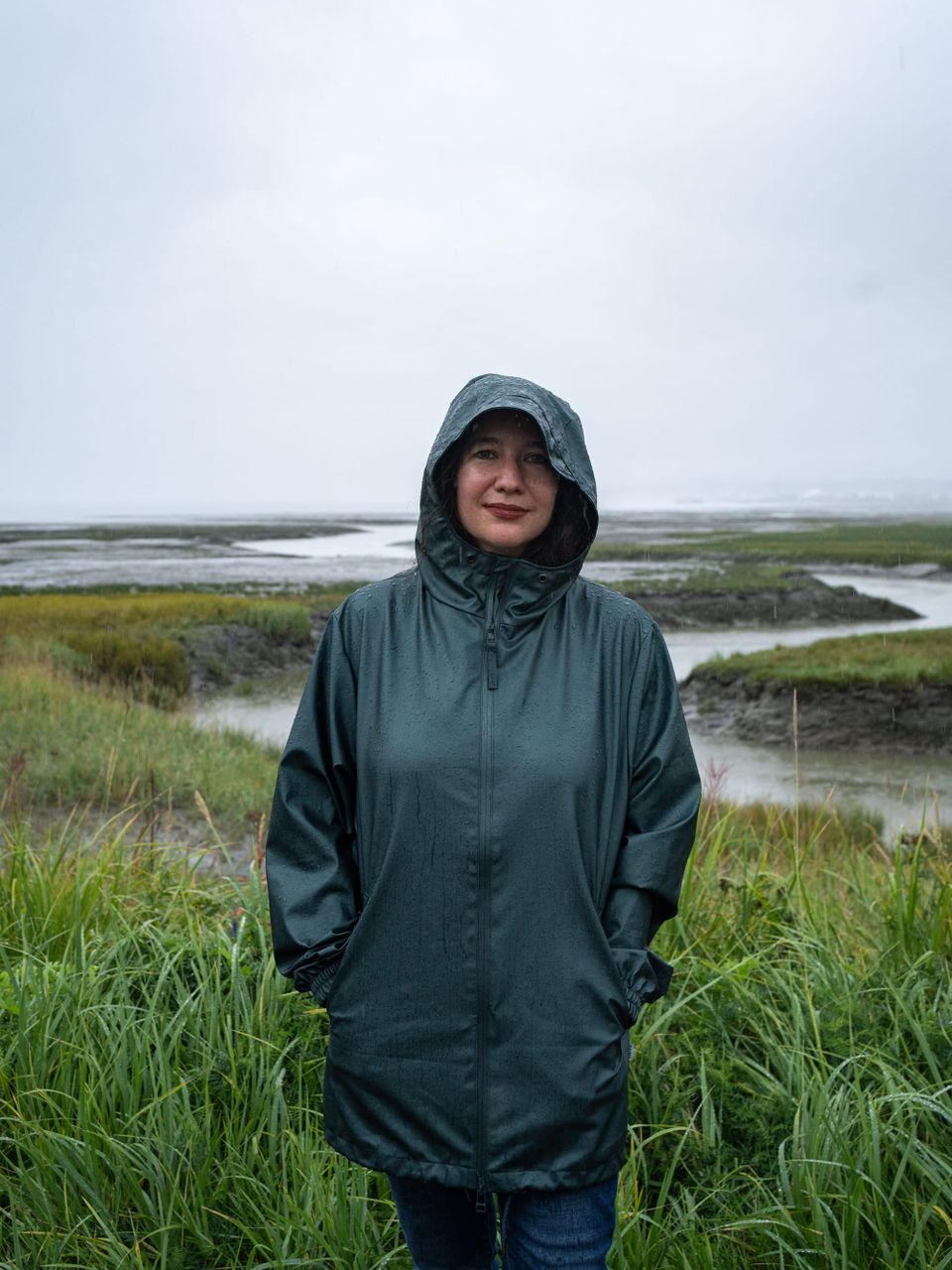
I'm an investigative data journalist and epidemiology student. Here's my BlueSky.
•I have worked as a health journalist for ten years, with longer contracts and staff jobs at The Guardian, Spotify, Marketplace and KCRW. For a chunk of that I was mostly working in narrative podcasting, back when companies thought it could be profitable.
• I began reporting on the war on drugs in 2021, when I embedded with an underground Harm Reduction group in West Virginia. Lill Prosperino, may they Rest in Power, was the leader of the group. My time with Lill opened my eyes to the reality that many people who use opioids are fighting a daily battle for their lives, and rely deeply on one another to stay alive.
• In my reporting, I prioritize the lived experience of people who use drugs, and intentionally include the perspectives of active users, not just those who are in recovery. (I value and include recovery perspectives too, but I've noticed in a lot of mainstream coverage those are the only ones you'll see.)
•My first data driven investigation, a series on the uneven progress in the US overdose crisis, was selected as a finalist for the Chicago Headline Club's Peter Lisagor award.
•I will graduate with my MS in Epidemiology from Northwestern in 2027, and am working on research projects related to the health impacts of shifts in the illicit drug supply.
•I am already an author on one scientific paper, about the "orgasm gap." The study is based on a survey about orgasms I designed while working at Science Vs. podcast. This was the first study on the orgasm gap to include variables about trans and nonbinary identity as well as race.
•If you want to hear what I'm like on the other side of the mic, you can listen to me talk about my reporting on the social media addiction trials, private equity in prison healthcare and harm reduction.
•My work has received recognition and financial support from Fulbright, Tribeca, Third Coast, New York Festivals, The Pulitzer Center for Crisis Reporting, the Fund for Investigative Journalism, and USC's Impact Fund.