
How the story of kratom got twisted
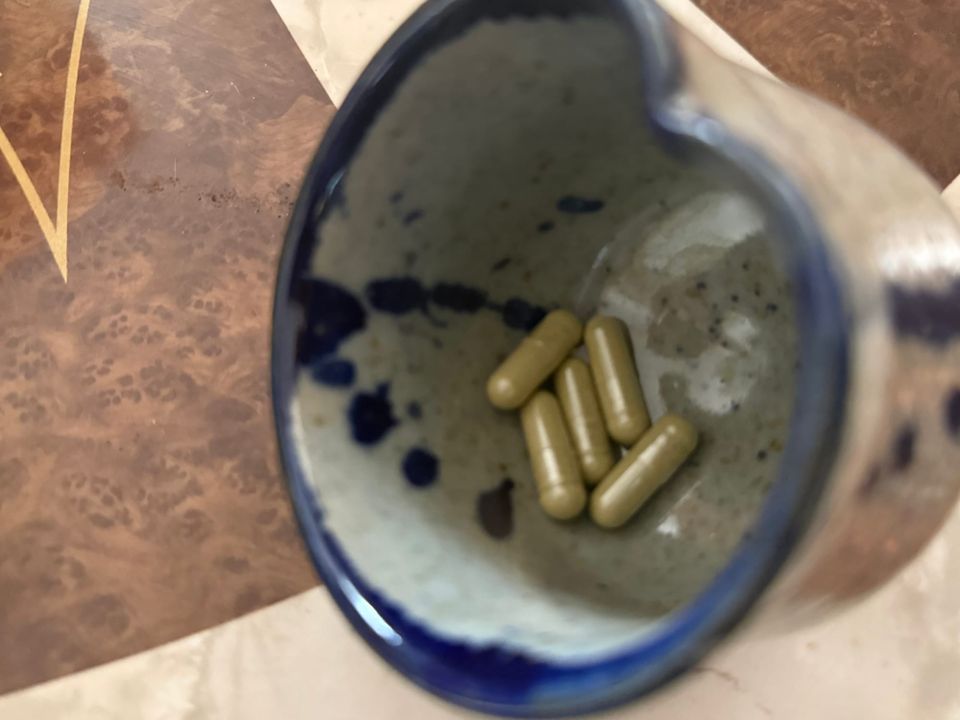
Why do so many medical headlines suggest all risk and no benefit?
When Steven, a California resident in his late 40s, was prescribed oxycodone for a painful heart condition, he was worried. His parents were smokers. "When you stop something with the potential for dependency, it can be rough," Steven said. So he tried to get ahead of the problem, and asked his doctor to ensure that "if we have to stop this, you will taper me off." The doctor said "definitely."
But, as is common in the US medical system, Steven moved from insurance plan to insurance plan and from doctor to doctor over the years. In 2018, when he'd been on prescription oxycodone for eight years, he sent in his refill request as usual. There was no response for five days. And then he learned they just weren't going to refill it. "If I would have known, hey, this is your last two weeks worth, even if they weren't willing to taper me, I would have done it myself."
As I reported for The Guardian, Steven's withdrawal was unbearable. His body felt like it was "on fire." The only thing that helped was kratom. Eight years later, he takes kratom daily to manage his pain. Just like before, he is concerned about dependence, so he takes just what he needs to function, and not enough to completely eliminate his pain. Unlike oxycodone, Steven said that kratom doesn't make him high.
Failures of the US medical system have created a demand for kratom
Steven's story is not an unusual one.
Opioid prescribing ramped up dramatically in the early 2000s after the FDA approved OxiContin, Purdue Pharma's formulation of oxycodone for pain treatment in 1995. As opioid addiction and overdose fatalities began to climb, Purdue Pharma pled guilty to criminal charges in 2007, but the opioid epidemic continued to worsen. In 2016, the CDC issued new guidelines with the intention of limiting the number of Americans who would become addicted to opioids or overdose. Those guidelines had unintended, hash consequences; for example, some insurers used them as justification to stop covering long term opioid prescriptions.
If the main metric for improvement was overdose deaths, it's hard to say these new guidelines helped. Overdose fatalities would continue to climb until 2023, with other factors, like the Covid-19 pandemic, at play. After having their prescriptions suddenly taken away or lowered, many people like Steven, who had been taking their opioids as prescribed for years, suddenly found themselves without their medications, looking for solutions to withdrawal.
Some people turned to more dangerous street opioids. Some people were able to get on prescription medications for withdrawal, like methadone. And some people, like Steven, turned to kratom.
How health authorities frame kratom
If you look at write-ups about kratom from sources like the Mayo Clinic, there is an underlying assumption behind them—that our healthcare system is just, equitable and accessible, and that patients should therefore only rely on medications that this system provides. But many people turn to kratom precisely because, in their own experience, the opposite is true.
These write-ups frame kratom use as dangerous and irresponsible and encourage patients to simply use FDA approved treatments for opioid use disorder (MOUDs) instead. And it's true that pharmaceutical treatments like buprenorphine, methadone and naltrexone don't carry the same contamination risks as kratom, and have been proven safe and effective by FDA standards. Dr. Austin Zamarripa, a psychiatry professor at Johns Hopkins University, said "it is important to keep the evidence base in perspective. Kratom does not have the same level of clinical trial evidence as approved MOUD medications like methadone or buprenorphine, though we have plans to explore this with future studies."
Zamarripa acknowledges that when patients experience barriers like high costs, stigma, and prior bad experiences with MOUDs, it can "push them toward kratom products instead." All MOUDs cause physical dependence, which makes the oft-repeated warnings that people should avoid kratom because it can be addictive feel more paternalistic than sincere.
These write-ups also tend to dismiss patient-reported benefits from kratom, while exaggerating what we know about the dangers of kratom. One way they do a disservice to readers is by failing to distinguish which risks come from natural kratom and which risks are more likely attributed to contaminants and synthetic compounds, like 7-OH, which I'll describe in more detail in future posts. A quick overview is available in my Guardian reporting.
The "no FDA-approved use" argument
Those who advocate against kratom will often argue that there is "no FDA-approved use" for it, in contrast to FDA-approved MOUDs and FDA-approved prescription opioids. But this argument is misleading, because no pharmaceutical company has applied for FDA approval with a kratom product, so there was never a chance for kratom to be FDA approved. Similarly, when researchers argue that there is "no evidence," or "not enough evidence" that kratom is effective for pain or withdrawal, they don't actually mean there's evidence that kratom isn't effective for these things.
There are some risks
I will write a point-by-point breakdown of what we know about the science of kratom in a future post. But here's a quick run-down of known risks: there is evidence to suggest that taking kratom while pregnant can lead the baby to become dependent and need treatment for withdrawal when it's born. As mentioned before, kratom does come with a risk of dependence.
Taking kratom with certain other medications, including benzos, opioids and common antidepressants, can make it much riskier. Kratom has been involved in deaths, almost always in conjunction with other substances, including potent opioids. Researchers are still working to understand how exactly kratom interacts with these other substances. Due to its unregulated nature, contamination is always a concern with kratom, whether that be with synthetic opioid-like compounds, or heavy metals and Salmonella.
Being honest about the risks of kratom, though, doesn't have to mean downplaying its potential benefits. The prohibition mindset has always prioritized fear-mongering rather than providing accurate information, as though people cannot be trusted to use facts to make informed decisions for themselves. That's never worked.