
7-OH ban could lead people to something far more dangerous
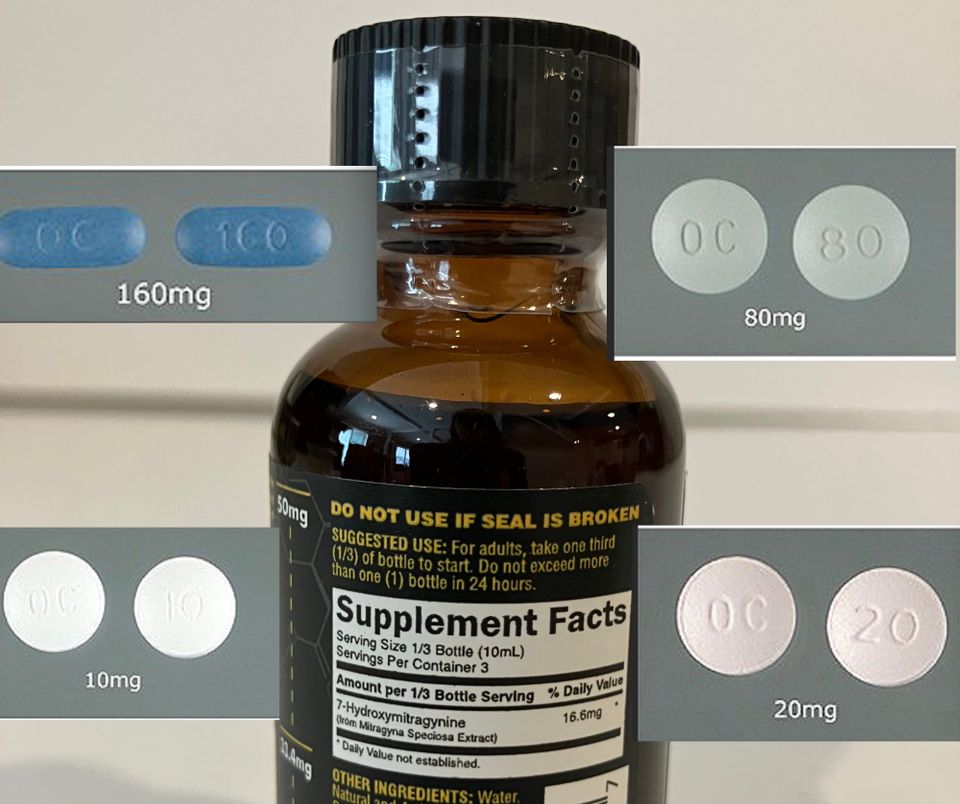
We've seen this movie before
Tomorrow is the last day to make a public comment in the Federal Register on a new rule that would temporarily ban 7-Hydroxymitragynine, or 7-OH—an opioid-like, unregulated supplement that is currently available online and in gas stations. After today, the ban could go into effect whenever the DEA sees fit and last for up to two years.
Many of the nearly 30,000 comments are from people who say they use 7-OH to manage chronic pain, and they don't know how they'll get by if it's banned. If history is a lesson, these thousands of commenters—and the possibly millions of additional Americans they represent—could suddenly find themselves at the mercy of the street opioid supply. If they're cut off from 7-OH, they could experience opioid withdrawal as well as a return of their chronic pain symptoms. We know that only a fraction of people who experience opioid withdrawal get medical treatment for it. That means greater risk of overdose, greater risk of addiction to illicit opioids, and greater risk of additional harms from the unpredictable adulterants in them.
This doesn't mean that it was okay or right for manufacturers to suddenly start selling 7-OH as an unregulated supplement. While there has not yet been extensive research into 7-OH, existing evidence suggests it behaves much more like a classic opioid than natural leaf kratom. Animal studies and human case reports also show instances of 7-OH causing opioid-like dependence, and withdrawal when someone stops use, though large-scale human research on this does not yet exist. Fatalities involving 7-OH so far invariably involve other substances as well, suggesting the possibility of synergistic danger.
But we already know what happens when a company pushes an extremely addictive opioid, and then the government removes access. As we saw when oxycontin was widely overprescribed in the 90s and 2000s, then subsequently heavily restricted—it is not safe or ethical to release something potentially addictive in the market and then suddenly remove access. When CDC , DEA and state laws began restricting opioid prescribing, many Americans lost access to their medications without warning. Facing unbearable withdrawal and pain symptoms, and little or no safety net to provide relief, these patients became vulnerable to the street opioid addiction that fueled skyrocketing overdose numbers over the last decade.
Patients who became dependent on oxycontin believed their doctors, who believed Purdue Pharma's claims that it wasn't addictive. Similarly, people who are now dependent on 7-OH may have first purchased it believing it was a natural, herbal supplement with no resemblance to opioids. To suddenly throw them into withdrawal and untreated pain without first ensuring that they have easy access to alternative treatments is to put them in danger. Trump administration policies mean the little safety net that does exist for people vulnerable to street opioid addiction is already unraveling. New Medicaid work requirements go into effect nationwide by next year, which could make it much more difficult to access substance use treatment. And the Trump administration has already restricted federal funding for harm reduction interventions like test strips, which help people who use drugs ensure their supply is safe from adulterants.
Much is still unknown about 7-OH, including how many Americans are currently dependent on it. Before issuing a blanket ban, it would only be ethical to study how many Americans it might endanger, and how to best help them. But this is not how the US does drug policy. Look where it's gotten us.
———
Want to stay up to date on drug analysis? Subscribe now!
Found this useful? Share it: